

How can you tell if your amethyst is real or just purple glass? Because amethyst is one of the most popular crystals in the world, imitations are common. The good news is that you can run several simple checks at home with no special tools. This guide walks you through six of them, explains what real amethyst usually looks like, and shows you how to shop with confidence.
What Is Real Amethyst?
Amethyst is the purple variety of quartz. Its color comes from tiny amounts of iron and natural radiation inside the crystal. Quartz rates about 7 on the Mohs hardness scale, which makes it durable enough for jewelry and display pieces. Natural amethyst ranges from pale lilac to deep violet, and it often shows subtle variation rather than perfect uniformity.
The most common imitations are purple glass, dyed quartz and lab-grown stones. Lab-grown amethyst is chemically real quartz, so it is worth asking sellers whether a stone is natural or created.
6 Simple Checks for Real Amethyst
1. Look for Natural Color Zoning
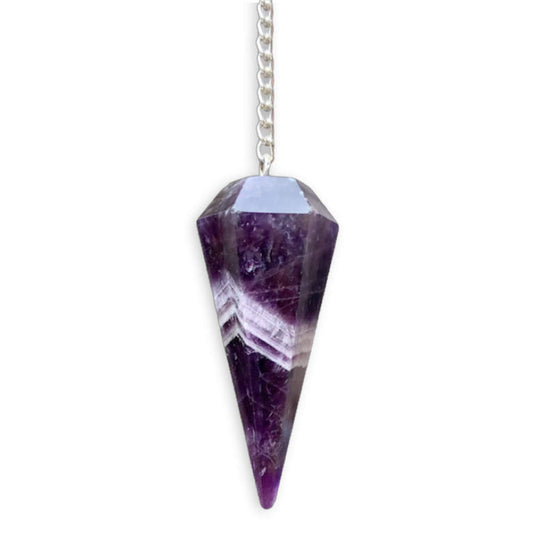
Hold the crystal up to the light. Natural amethyst often shows angular bands or patches of deeper and lighter purple, especially near the tip of a point. Glass tends to show a perfectly even color throughout. Swirls, however, can appear in glass too, so use this check together with the others.
2. Check for Bubbles and Inclusions
Round, tiny air bubbles are a classic sign of glass. Natural amethyst may have inclusions, but they tend to look like wispy veils, tiny crystals or feather-like lines rather than perfect spheres. A magnifying glass or your phone camera zoom helps here.
3. Feel the Temperature
Real stone feels cool to the touch and takes a while to warm in your hand. Glass and plastic often warm up faster. Hold the piece for a minute and notice how it responds, then compare it with a stone you know is genuine.
4. Test the Weight and Hardness
Quartz is harder than ordinary glass. A hidden spot on the back of a stone should not be scratched by a copper coin or a steel nail in a gentle test, while many glass imitations scratch more easily. Always test a small, hidden area, and only on a piece you own, since scratch tests can mark delicate surfaces.
5. Examine the Crystal Structure
On a raw cluster or geode, look for six-sided points with natural striations (fine lines) across the sides. Points that look perfectly smooth, identical and glossy may be molded glass. Also check the base: real clusters are attached to a rough matrix of rock, not smooth plastic or resin.
6. Look at the Seller and the Price
A suspiciously low price for a large, flawless, deep purple piece is a red flag. Trusted sellers describe their stones clearly, state whether they are natural, heat-treated or lab-created, and show photos of the actual item.
What About Heat-Treated and Dyed Amethyst?
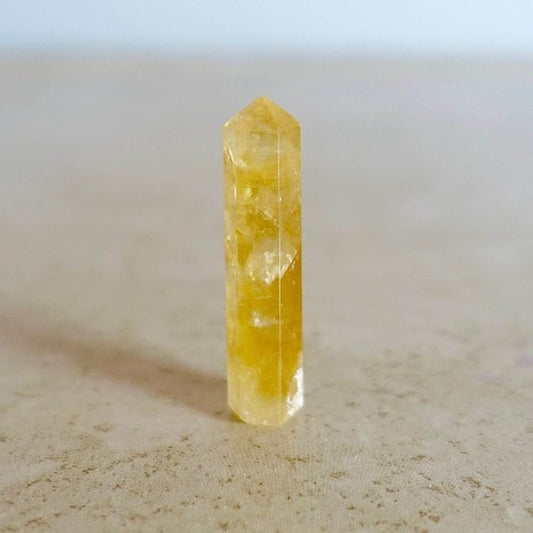
Heat treatment is a common practice in the gem trade. Heating some amethyst can turn it yellow or orange, and the result is sold as citrine. Dyed quartz, on the other hand, usually shows color concentrated in cracks and along edges, with pale or white areas inside. If the color looks pooled in fractures or leaves a stain on a damp cloth, it may be dyed.
Quick Reference: Real vs Fake Amethyst
- Color: real shows zoning or variation; glass is often perfectly even.
- Inside: real has veils and mineral lines; glass has round bubbles.
- Feel: real is cool and heavier; glass warms up quickly.
- Points: real shows natural striations; molded copies look too perfect.
- Price: bargains that seem too good to be true often are.
Tips for Buying Amethyst With Confidence
- Buy from a seller who answers questions and shows clear photos.
- Ask whether the stone is natural, treated or lab-created.
- Compare several pieces so you learn what natural variation looks like.
- Keep your receipt and check the return policy.
Why People Love Amethyst
Beyond its beauty, amethyst is traditionally associated with calm, clarity and intuition. Those meanings are a matter of belief rather than science, but many people enjoy keeping a piece by the bed or desk as a reminder to pause. To learn more about its traditions, read our amethyst meaning guide.
Final Thoughts
No single check is perfect, but combining several gives you a good idea of what you are holding. When in doubt, ask a trusted seller or a local gem lab. Ready to shop? Browse our amethyst collection or find a wearable piece in our amethyst necklaces.
Crystals complement a wellness routine and do not replace medical advice. Metaphysical meanings mentioned here are based on tradition and personal belief.