

Did you know that the sunny windowsill you picked for your favorite crystal could be slowly draining its color? Some stones shrug off sunlight for years, while others can fade in a matter of months. This guide shows you which crystals to keep out of direct sun, why it happens, and where to display them instead so they stay beautiful.
Why Some Crystals Fade in Sunlight
The color in many crystals comes from tiny traces of other elements or from natural exposure to radiation deep underground. Strong ultraviolet (UV) light and heat can disturb those color centers over time. The result is a stone that looks paler, patchy or washed out compared with the day you brought it home.
Fading is usually gradual. A crystal left in a sunny window for a week may look fine, which is why the damage often goes unnoticed until the color has already changed. Once a stone has faded, the color generally does not come back, so prevention is the best approach.
Crystals to Keep Out of Direct Sunlight
These popular stones are the ones most often reported to fade in strong light. Keep them in bright, indirect light or in a shaded display instead.
- Rose quartz: The soft pink tone is delicate and can turn pale or nearly colorless with long sun exposure. If you love this stone, browse our rose quartz collection and plan a shady spot for it.
- Smoky quartz: The brown to gray color can lighten with prolonged sun and heat. You can find a range of pieces in our smoky quartz collection.
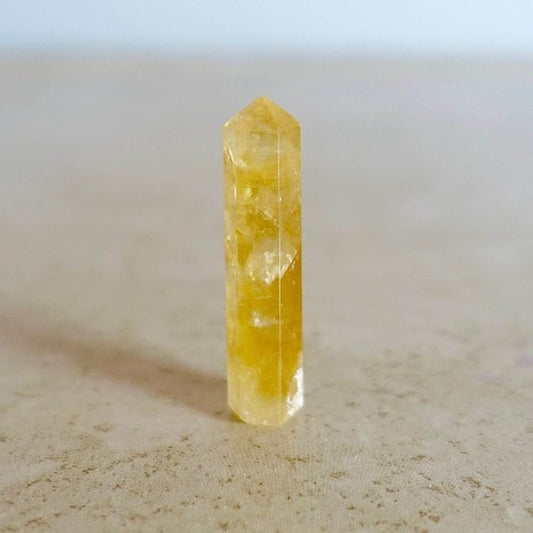
- Citrine: Natural citrine in warm yellow and golden shades can lighten under strong UV. Explore our citrine collection and display it away from harsh light.
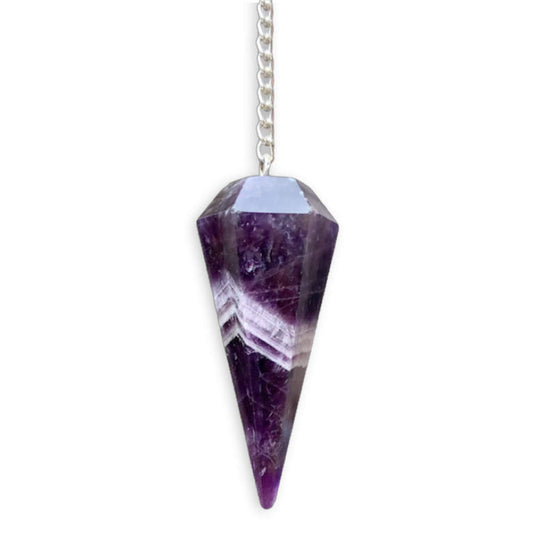
- Amethyst: Deep purple tones can slowly turn pale or yellowish after long, direct exposure.
- Fluorite: Its soft greens, purples and blues can dull in strong light, and it is also a softer stone that scratches easily.
- Other pastel stones: Soft, light colors tend to show fading sooner than dark, saturated ones, so treat any pale stone with the same care.
Stones That Usually Handle Light Better
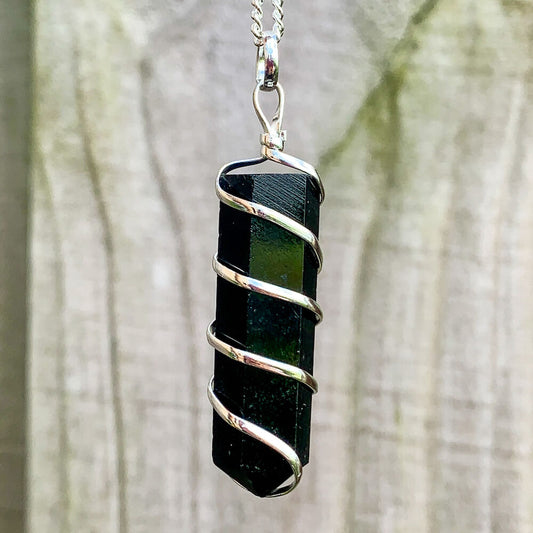
Many opaque, dark or earthy stones are less likely to change with ordinary indoor light, such as black tourmaline, hematite and many jaspers. That said, no crystal enjoys being baked on a hot dashboard or in a south-facing window all summer. When in doubt, treat every stone as if it could fade.
How to Display Crystals Safely
You can still enjoy your collection in a bright, welcoming room. Follow these steps to keep colors rich.
Step 1: Check the Light
Look at where direct sunbeams land during the day. Morning light through an east window is gentler than hot afternoon sun, but any spot where the beam touches the stone for hours is risky.
Step 2: Choose a Shaded Spot
Shelves, desks and nightstands that sit a few feet back from the window get plenty of brightness without the harsh UV. A bookshelf or an entry table works well.
Step 3: Use Sheer Curtains or UV Film
If your favorite display spot is a sunny one, sheer curtains or a UV-filtering window film soften the light. Rotate your crystals occasionally so no side is always facing the glass.
Step 4: Keep Them Away From Heat
Avoid radiators, heating vents and parked cars. Sudden temperature changes can also cause cracks in some stones.
What About Charging Crystals in the Sun?
Many people follow the tradition of placing crystals in sunlight to "recharge" them. Traditionally, sunlight is associated with energizing and renewing a crystal, but it is a belief rather than a proven effect, and it carries real risk for the color of delicate stones. If you enjoy the ritual, here are safer ways to do it:
- Use gentle morning light for no more than 15 to 30 minutes, and only for sturdy, dark stones.
- Skip the sun entirely for rose quartz, smoky quartz, citrine, amethyst and fluorite.
- Try an indoor alternative such as moonlight on a windowsill, a bowl of clear quartz, or smoke from incense, depending on the stone.
For more cleansing ideas that work for different stones, read our guide on how to cleanse crystals.
Quick Reference: Sun Safety at a Glance
- Keep out of direct sun: rose quartz, smoky quartz, citrine, amethyst, fluorite, pastel stones.
- Usually fine in indoor light: black tourmaline, hematite, many jaspers.
- Never leave in a hot car or on a heater: any crystal.
Is It Fading or Just Dusty?
Before you worry, wipe the stone gently with a soft, dry cloth. Dust, skin oils and hard water spots can make a crystal look dull. If it still looks paler than before, compare it with a photo from when you bought it. Remember that some stones also look different under warm and cool lighting, so judge the color in the same kind of light.
Final Thoughts
A little planning goes a long way. Keep pastel and golden stones in bright shade, rotate them now and then, and your collection will keep its color for years. Ready to find your next piece? Explore our rose quartz, smoky quartz and citrine collections at Magic Crystals, and learn more about this pink favorite in What Is Rose Quartz Good For?
Crystals complement a wellness routine and do not replace medical advice. Metaphysical meanings mentioned here are based on tradition and personal belief.